The First Annual Working Group on Building Entrepreneurship Into Computing Curricula
A half-day meeting on teaching entrepreneurship in computing. For educators, students, and people from industry.
- Date
- Wed, Feb 17, 2027
- Time
- 1:00 to 5:00 PM
- Where
- Sacramento, CA
- Size
- 30 to 40 people
Proposed affiliated event. SIGCSE announces accepted events on November 9, 2026.
01About
About
A half-day session on teaching entrepreneurship in computing. We will hear from founders, work on hands-on activities in small teams, and talk about how to bring this material into CS courses.
Three open questions
- 01 Where should entrepreneurship content go relative to core technical courses?
- 02 Which teaching models from business schools work inside a computing department?
- 03 What keeps these efforts going after the first semester?
02Goals
Goals
- 01
Map what is taught today
Collect how different schools currently teach entrepreneurship to computing students.
- 02
Share course designs
Trade teaching practices, assignments, and course structures across institutions.
- 03
Pick research questions
Agree on questions worth studying together across several schools.
- 04
Start a SIGCSE community
Decide how this group keeps meeting and working between symposia.
03Agenda
Tentative schedule
Teams of 6 to 8
- 1:00
Welcome and framing
What a co-produced framework for entrepreneurial curricula could look like, and an introduction to the keynote speaker.
- 1:10
Opening keynote: Building the Entrepreneurial University
A leader who has built an entrepreneurial ecosystem inside a research university answers one question: if you were designing a university today to turn technically exceptional computing students into innovators and entrepreneurs, what would you change? Curriculum, culture, mentoring, accelerators, funding, faculty incentives, and institutional barriers are all in scope.
- 1:40
Panel: What does it take to turn computing students into builders?
Five panelists: a computing professor who teaches entrepreneurship, a computing professor who has founded companies, a technical founder, an accelerator or startup-ecosystem leader, and a venture investor.
- 2:30
Break
Informal networking.
- 2:40
Parallel working groups: WHERE, WHAT, HOW
WHERE: where entrepreneurship belongs in the computing curriculum, from freshman exposure to capstone, dedicated courses, and graduate programs. WHAT: what students should learn, from opportunity recognition and customer discovery to MVPs, economics, IP, funding, ethics, and failure. HOW: how a program can realistically deliver it, through faculty, entrepreneurs-in-residence, industry mentors, incubators, alumni, competitions, and institutional incentives.
- 3:30
Short break
Groups organize their findings and prepare a report-out.
- 3:40
Working-group reports and cross-group discussion
Each group reports for about ten minutes with five recommendations. The rest of the time goes to the tensions between the WHERE, WHAT, and HOW sets, and to the questions they leave open.
- 4:25
Synthesis: What would a computing program built on these recommendations look like?
The three outputs go on screen side by side. The organizers lead a live synthesis of where the groups agree, where they do not, and what is left unresolved. The result is a first-draft WHERE-WHAT-HOW framework, and the product of the working group.
- 4:50
Closing reflections and next steps
A shared communication channel, and the intent to return to SIGCSE TS 2028 with the framework refined.
04Attend
Who should attend
Anyone who is an educator, student, or software engineer.
-
Educators
Faculty and instructors who want material they can use in one class session, a project module, or a full elective. You take the lesson materials home.
-
Students
Undergraduate and graduate CS and SE students who are curious about startups or want to build products people use.
-
Software engineers
Practitioners moving toward product or startup roles who want practice with the non-technical side of building software.
How to join
Register for SIGCSE TS 2027.
05Organizers
Organizers
-
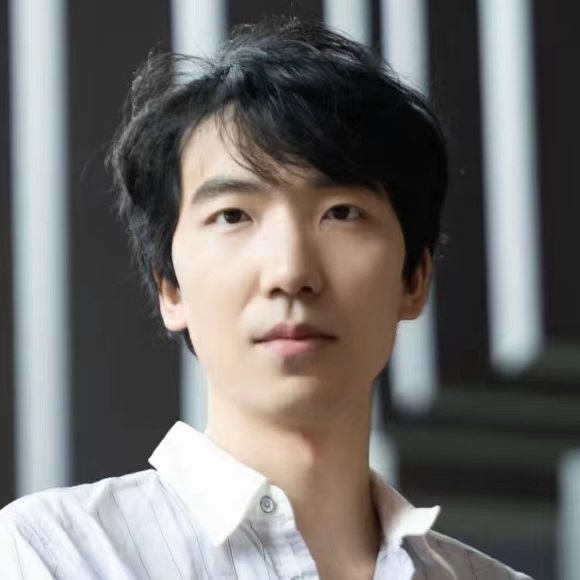
Organizer
Ze Shi (Zane) Li
School of Computer Science, University of Oklahoma
-
Organizer
Sean Mackay
School of Computer Science, University of Oklahoma
-
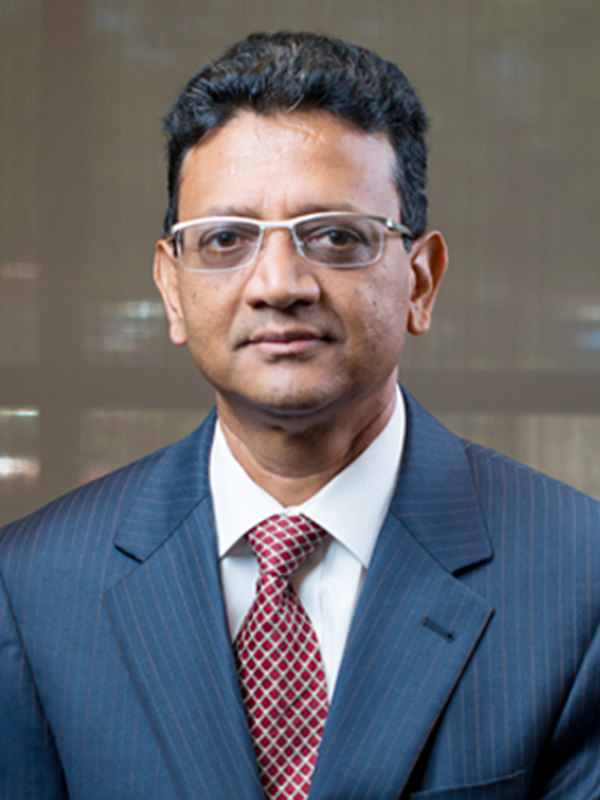
Organizer
Sridhar Radhakrishnan
School of Computer Science, University of Oklahoma
06Sponsor
07Venue
Venue
SAFE Credit Union Convention Center, Sacramento
The event runs at the SIGCSE TS 2027 venue on Wednesday, February 17. We will post the room once SIGCSE assigns it.
Venue and hotel details ↗08FAQ
Questions
- Do I need to submit anything?
- No. There are no papers or proposals to send. Register for SIGCSE TS 2027 and come.
- Do I need to register for SIGCSE TS 2027?
- Yes. SIGCSE requires everyone at an affiliated event to be registered for the symposium.
- Do I need a business background?
- No. Basic familiarity with software development is the only prerequisite.
- Can students come?
- Yes. Students are one of the three groups this event is designed for.
- What time does it start?
- 1:00 PM Pacific on Wednesday, February 17. We finish at 5:00 PM.
Anything else, email zeshili@ou.edu.